
When One Comment Breaks the Day And Why “Give Aunty Mel a Hug!” Can Trigger a Holiday Meltdown
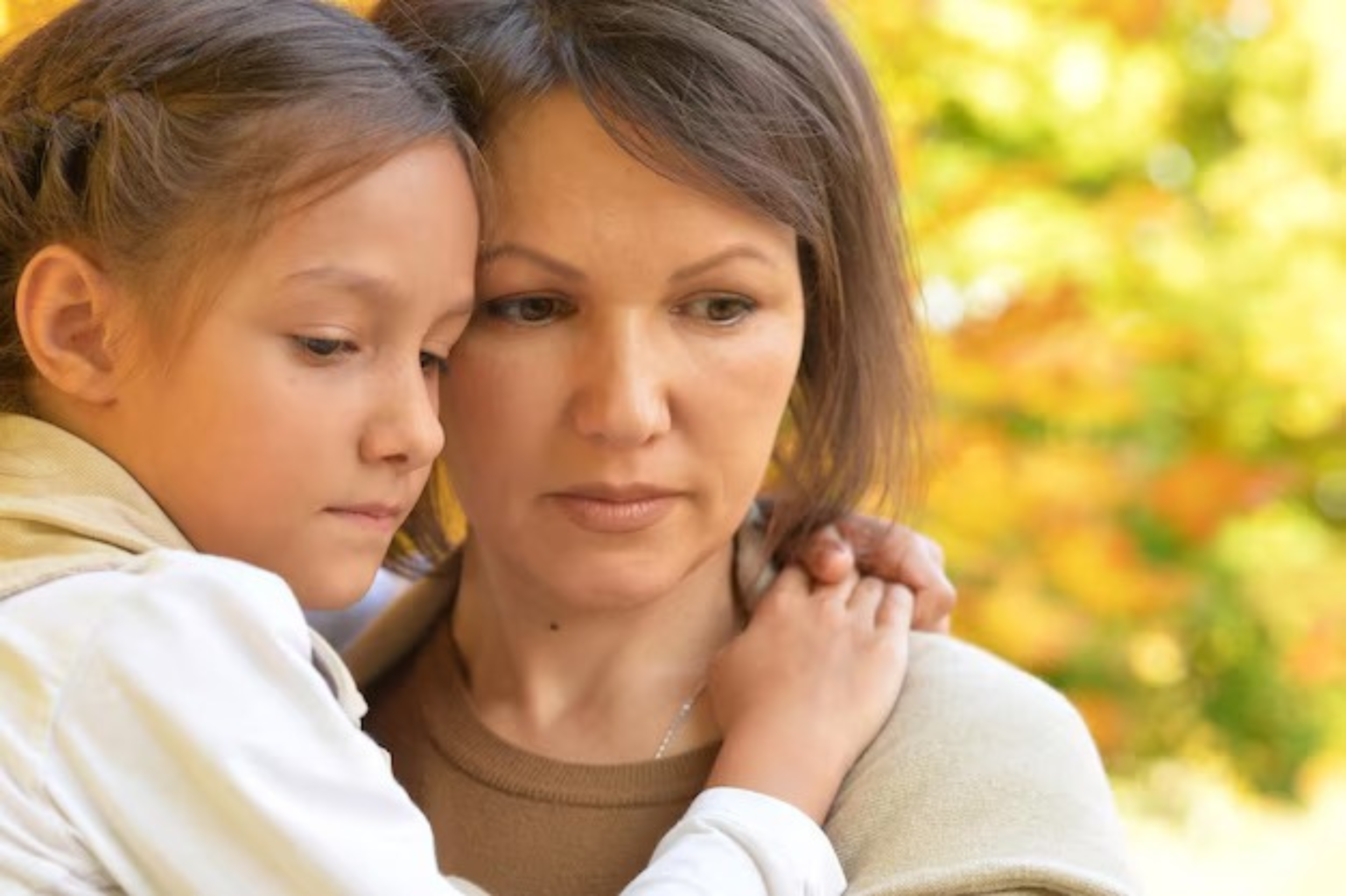
The holidays are full of sweet traditions… and emotional landmines.
Many parents tell me, “It was going fine and then suddenly everything went sideways.”
Often, that “sideways moment” starts with something as innocent as:
“Come on, give Aunty Mel a hug!”
What feels like a simple social expectation to adults can land very differently for a child with ADHD or autism, especially one who experiences Rejection Sensitivity Dysphoria (RSD).
How an Innocent Holiday Moment Turns Into an RSD Spiral
Let’s break down what often happens beneath the surface:
1. The Trigger
Your child hesitates. Maybe they’re overwhelmed, unsure, shy, or simply not ready for physical affection.
The room goes quiet.
Aunty Mel looks surprised.
You feel everyone watching.
You push a little:
“Come on, don’t be rude, she hasn’t seen you all year!”
2. The Interpretation (This is where RSD activates)
A neurodivergent child’s brain doesn’t hear:
“You’re fine, just be polite.”
It often hears:
“You’re embarrassing me.”
“I’m doing something wrong.”
“I’ve disappointed you.”
That sudden hit of perceived criticism or pressure can feel physically painful for a child with RSD, like a punch of shame.
3. The Protection Response
Fight, flight, or freeze kicks in:
They shout “NO!”
They hide behind you.
They cry.
They run off.
They shut down.
To everyone else, it looks like defiance.
To your child, it’s survival.
Why This Happens More During the Holidays
Holidays overload several dysregulation domains, sensory, emotional, social, and transition.
Kids are already running on at the edge of overwhelm.
So one tiny moment, hesitation + pressure + audience, can send their nervous system into freefall.
This is why holiday meltdowns often feel sudden or unpredictable.
BUT… they are not “overreactions.”
They are signs of overwhelm.
A Simple Repair Tool: 15 Seconds That Can Stop the Spiral
Instead of pushing through (“Just give her a hug!”), try a connection-first repair:
1. Validate:
“That felt like a lot, didn’t it?”
2. Remove pressure:
“You’re not in trouble. You don’t have to hug anyone.”
3. Offer options:
“You can wave, high-five, or just say hi when you’re ready.”
This protects your child’s boundaries and stops the shame cycle before it peaks.
And Aunty Mel? She survives without the hug.
This Isn’t About Manners, It’s About Regulation
If holiday moments like this leave you feeling embarrassed, frustrated, or confused, please hear this:
This is a common experience I hear from many parents
Your child isn’t doing anything wrong.
You’re navigating a season that amplifies every vulnerability in the neurodivergent brain.
Once you understand the RSD Spiral, everything makes more sense, and everything becomes more workable.
Want to Prevent These Spirals Before They Start?
Next week on December 16th, I’m teaching a Free Holiday Masterclass where I’ll show you:
How to spot an RSD spiral before the meltdown
What actually calms the nervous system (hint: not demands for politeness)
Real scripts to use in the moment
How to protect your child and keep the peace
What to do when things go sideways anyway
If the holidays often feel like an emotional minefield, this class is for you.